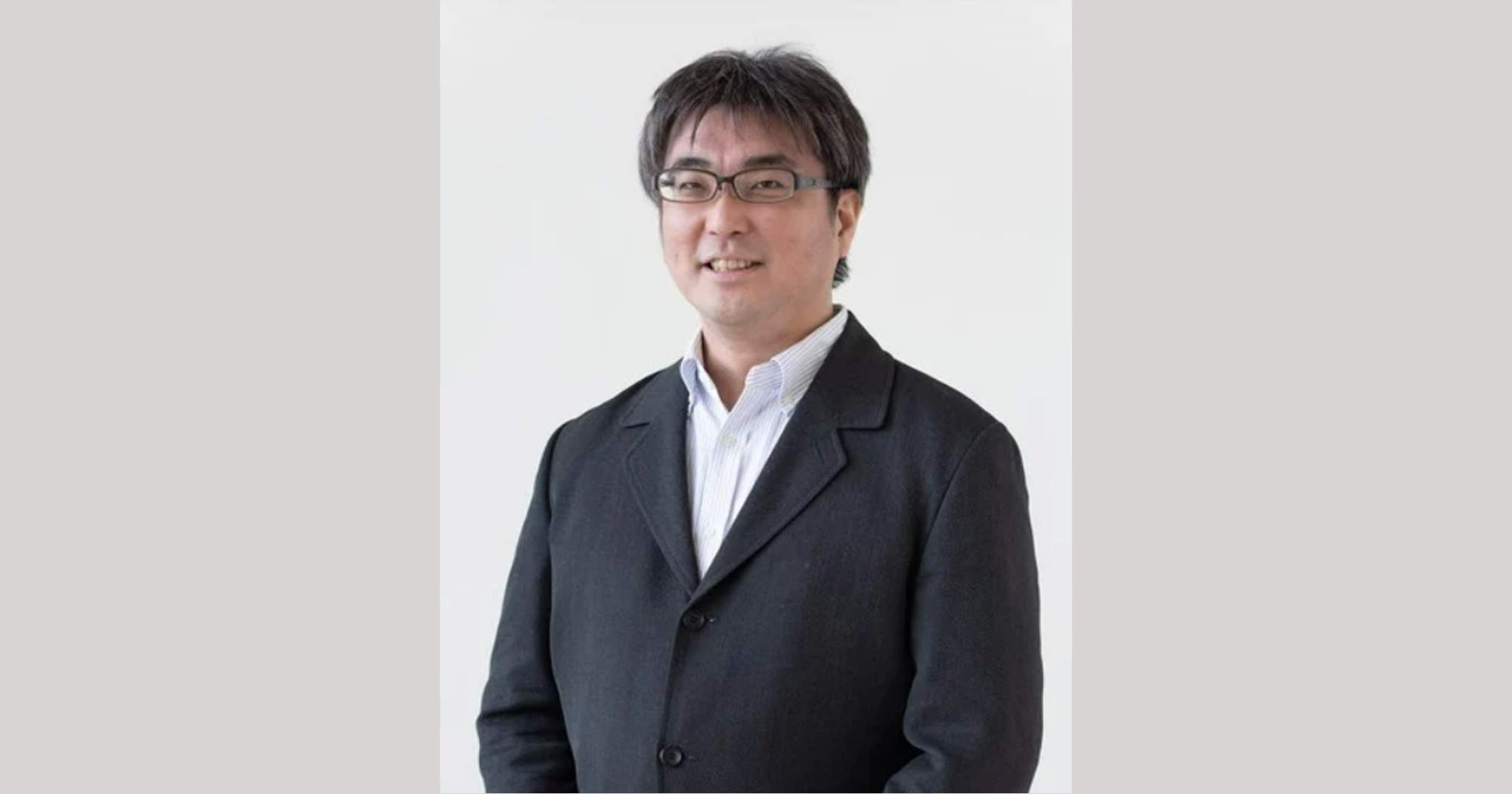
Takuro HOSOMI
Associate Professor Department of Applied Chemistry|Yanagida Laboratory

Biography
About My Research
Each organic molecule has a defined shape. By changing how its atoms are connected, we can precisely design its length, branching, and the sites where it binds to other substances. In contrast, inorganic materials such as metals and metal oxides are solids composed of extended networks of atoms. Their shapes are not as readily designed as those of individual organic molecules. However, their useful properties, including strength and electrical conductivity, underpin many devices in our everyday lives. My research uses the shapes of organic molecules to control the surface structures of inorganic materials, creating materials that bring out the strengths of both.
Specifically, we arrange organic molecules on an inorganic surface and grow inorganic material one atomic layer at a time using a method called atomic layer deposition. Organic molecules can be designed with sites that serve as starting points for this growth. By using molecular shapes to control the positions and spacing of these sites, we can create different arrangements of layers and spaces at the surface. In essence, we use molecules as tools to sculpt inorganic materials in a world too small to see.
On a larger scale, organic and inorganic substances generally tend to separate, much like oil and water. Yet, when we examine their interfaces at the molecular scale, below a nanometer, we find that they interact closely. By precisely designing how they meet, I hope to expand the possibilities for new materials that combine robustness with the fine control offered by molecular design.

Future Aspirations
I hope to use the shapes of organic molecules to design the structures and properties of inorganic materials with greater freedom. Much as a sculptor brings an imagined form to life, my goal is to use molecules as tools to create desired structures on the surfaces of inorganic solids. To achieve this, I aim to understand how molecular shapes and arrangements guide the growth of inorganic materials, and what physical properties and chemical reactivity the resulting structures exhibit.
Beyond the Lab
I try to stay “open” in everything I do. I want students to feel comfortable approaching me, and I hope to remain open to new knowledge and ideas myself. I look forward to sharing the excitement of research with others and seeing the new conversations it inspires.
URL
Yanagida Laboratory: http://yanagida-lab.weebly.com/
researchmap: https://researchmap.jp/t-hosomi
*Affiliations and titles are as of the time of the interview.

Young Researcher: Associate Professor Tsunaki Takahashi
Young Researcher: Lecturer Nobuhiko Hosono