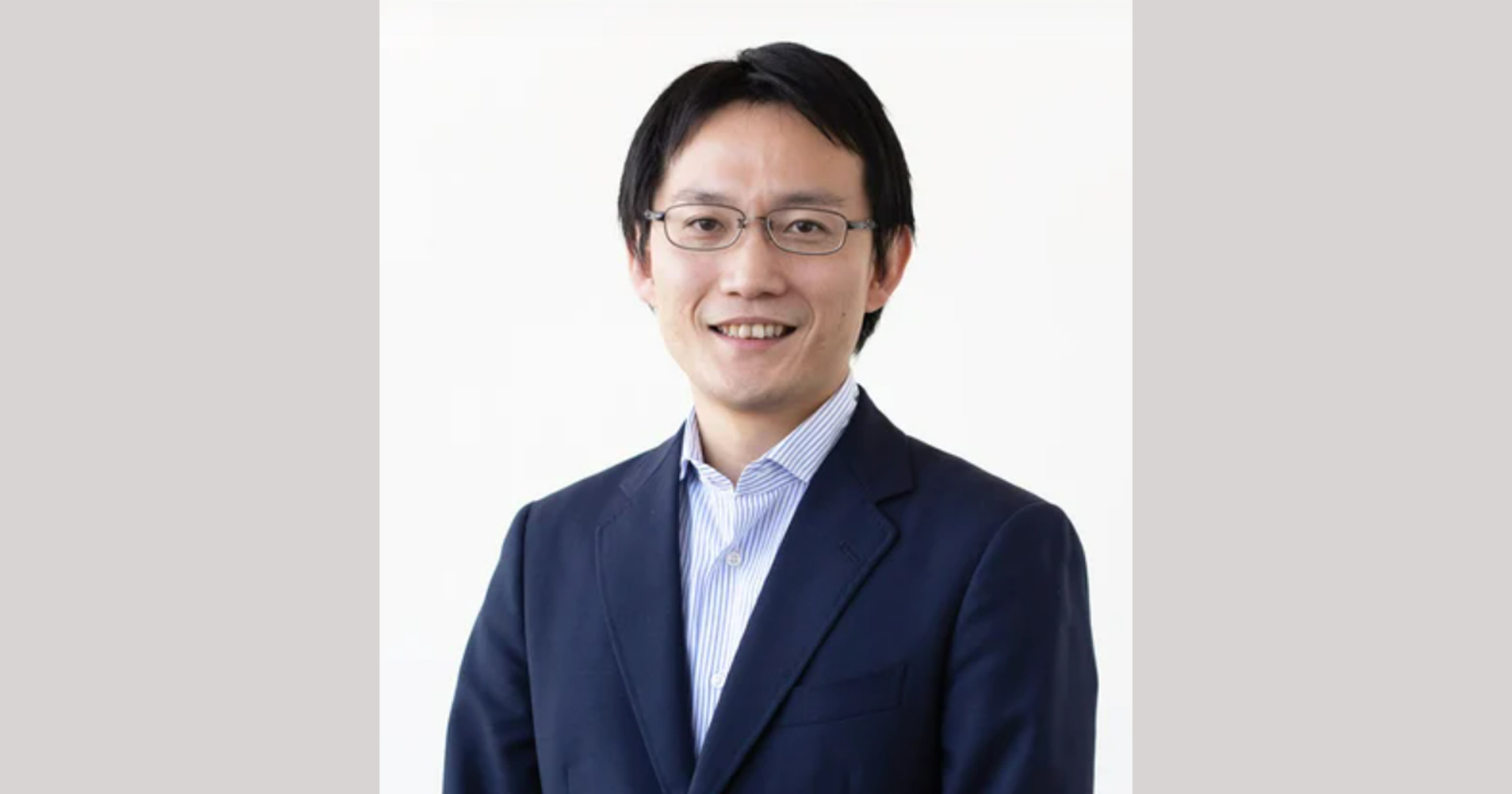
Takafumi NARUKAWA
Project Associate Professor Nuclear Professional School・Department of Nuclear Engineering and Management|Takata Laboratory

Biography
About My Research
Ensuring the safety of nuclear power plants requires preparing for accidents that are very unlikely to occur but could have serious consequences if they do. To do this, we need to determine, based on limited knowledge and data, what could happen during an accident, how likely it is to happen, and what consequences it could have.
My research focuses on how to evaluate risk under such uncertainty and how to use that risk information in safety decision-making.
I use experiments and numerical simulations to understand the phenomena that may occur during accidents, and Bayesian inference to quantify the uncertainties in that understanding and update it as new knowledge becomes available. I then systematically develop a wide range of possible accident scenarios using logic trees that combine equipment failures, human actions, and other factors. By evaluating both the probability and consequences of each scenario, together with their uncertainties, we can obtain an integrated picture of the overall risk of a nuclear power plant. This is known as Probabilistic Risk Assessment (PRA). My goal is to make effective use of the resulting risk information in real-world safety decisions.
At the same time, safety decision-making cannot be addressed by engineering alone. Decisions about how far we should go in protecting against a risk, or even what should be regarded and evaluated as a risk in the first place, are shaped by societal norms about what people are willing to accept and what they expect from safety. My research therefore also explores better approaches to safety decision-making that take into account both engineering risk assessments and societal norms.

Future Aspirations
To ensure and continually enhance safety over the long term, it is essential not only to address foreseeable risks but also to pursue technological innovation that can prepare us for new risks that may emerge in the future. At the same time, the newer the technology, the more limited our operational experience and knowledge tend to be. Focusing on technologies such as accident-tolerant fuels and advanced reactors, my research explores how to reconcile the safety improvements offered by technological innovation with the need to ensure safety under limited knowledge, and seeks to develop methodologies for introducing new technologies into society more safely.
Beyond the Lab
When I entered university in the 2000s, expectations for nuclear energy were growing worldwide, in a period often referred to as the “nuclear renaissance.” It was during this time that I decided to pursue research in nuclear safety. Around the time I completed my undergraduate studies, the accident at TEPCO’s Fukushima Daiichi Nuclear Power Station occurred, fundamentally changing the circumstances surrounding nuclear energy. Rather than diminishing my commitment, however, the accident strengthened my determination to pursue nuclear safety, and that commitment has guided my work ever since.
URL
Takata・Narukawa Lab: https://www.takatalab-utokyo.org/
*Affiliations and titles are as of the time of the interview.
Young Researcher: Project Associate Professor Satoru Nagatoishi
Young Researcher: Project Associate Professor Kenji Shimazoe