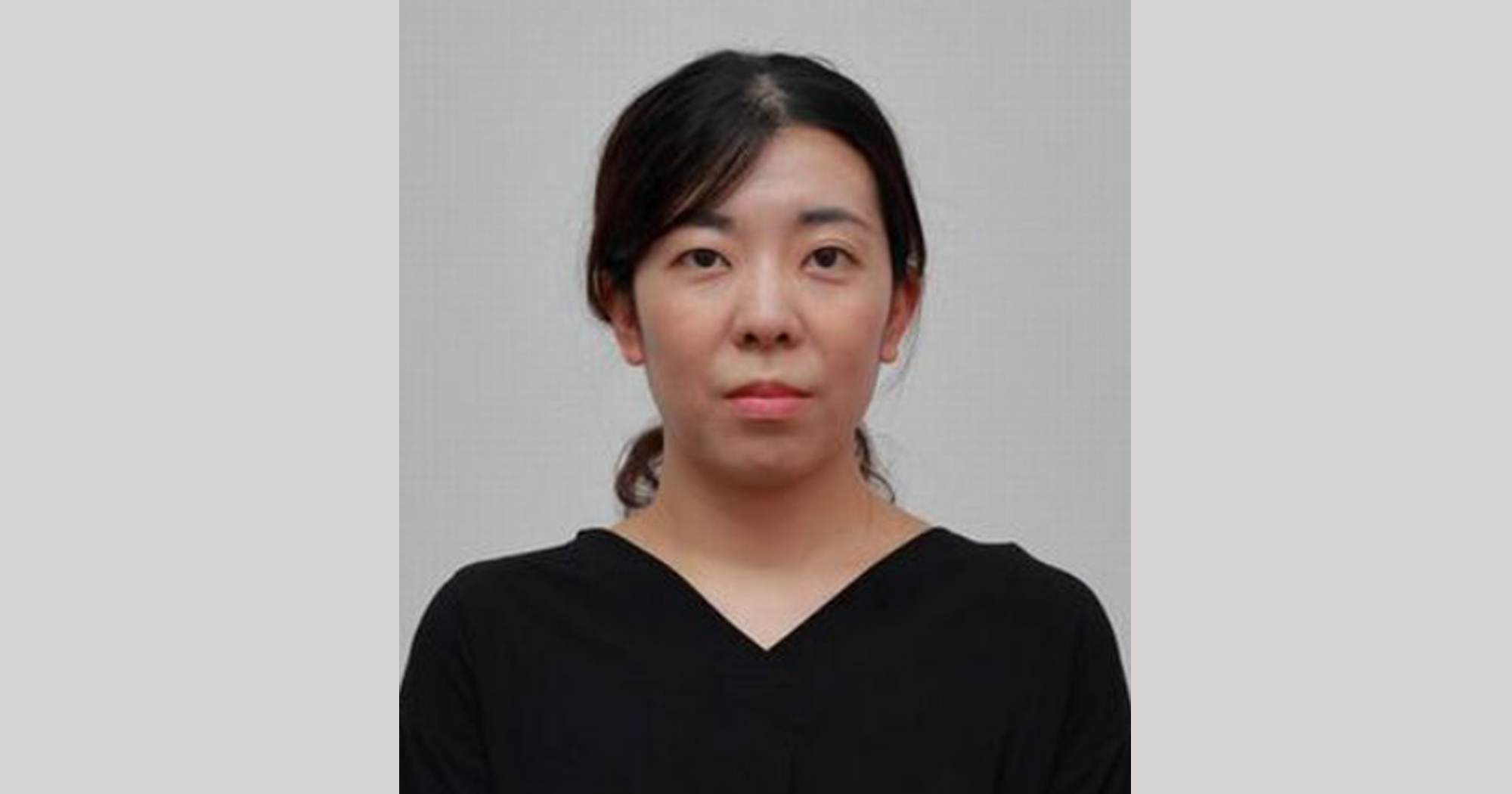
Satoshi NAKAGAWA
Assistant Professor Department of Mechano-Informatics, Graduate School of Information Science and Technology / Department of Human AI, Next Generation Artificial Intelligence Research Center / Department of Mechano-Informatics, Faculty of Engineering|Well-being Engineering Lab.

Biography
About My Research
My goal is to develop AI that connects people with one another and with society. I study how people interact with robots and how AI can support communication. Through engineering, I seek to support well-being: living well in ways that encompass physical and mental health as well as social connections.
When an AI responds to a user’s wishes, its words and behavior can also affect the user’s relationships with other people. For example, an AI that always agrees with us may feel reassuring, yet it could limit our opportunities to encounter different perspectives. I therefore investigate how AI can acknowledge a user’s feelings while helping them understand others and consider a wider range of views.
My work includes machine-learning models that estimate quality of life (QOL) from video, speech, and conversational content, as well as AI systems that support dialogue between people with conflicting opinions. I also study how interacting with multiple AI agents or robots that express different views influences human judgment. Alongside evaluating technical performance, I use human-subject experiments to examine how these systems affect people’s feelings, decisions, and interpersonal relationships.
Together with students in my laboratory, I am also developing TEMOCHIMORI, a palm-sized device that combines living moss with light. It expresses physiological information, such as heart rate, through changes in light, with the aim of helping people notice their own condition and share it with others. Beyond conversational systems, I explore technologies that help people understand themselves and build connections with other people and with nature.

Future Aspirations
I remain committed to developing AI that helps people stay true to their own values and individuality while also valuing their connections with others.
This work requires insights from diverse disciplines that study the human mind, body, and society. I have collaborated with people specializing in medicine, clinical psychology, physical therapy, law, and other fields. Some are friends from secondary school or university. Seeing these personal connections grow into interdisciplinary research has been an important source of motivation for me.
The students in our laboratory came up with the motto “Engineering Well-being for Human beings.” Together with our students and collaborators, I hope to continue putting these words into practice.
Beyond the Lab
On days off, I often visit a nearby park with my family. I value both the time I spend with my family and the time I devote to research. By the time my children grow up, people from diverse backgrounds will likely be living alongside a wide range of AI systems. While these technologies may make life more convenient, they may also bring new challenges. Through my research, I hope to contribute to a future in which my children can remain true to themselves and share happy moments with the people around them. Everyday life with my family gives me ideas about the kind of society I hope to help build and inspires my research each day.
URL
Satoshi Nakagawa: https://sites.google.com/g.ecc.u-tokyo.ac.jp/satoshi-nakagawa-en
Well-being Engineering Lab.: https://www.welbe.imi.i.u-tokyo.ac.jp/en/
*Affiliations and titles are as of the time of the interview.

Young Researcher: Associate Professor Kohei NAKAJIMA

Young Researcher: Associate Professor Takuji Narumi