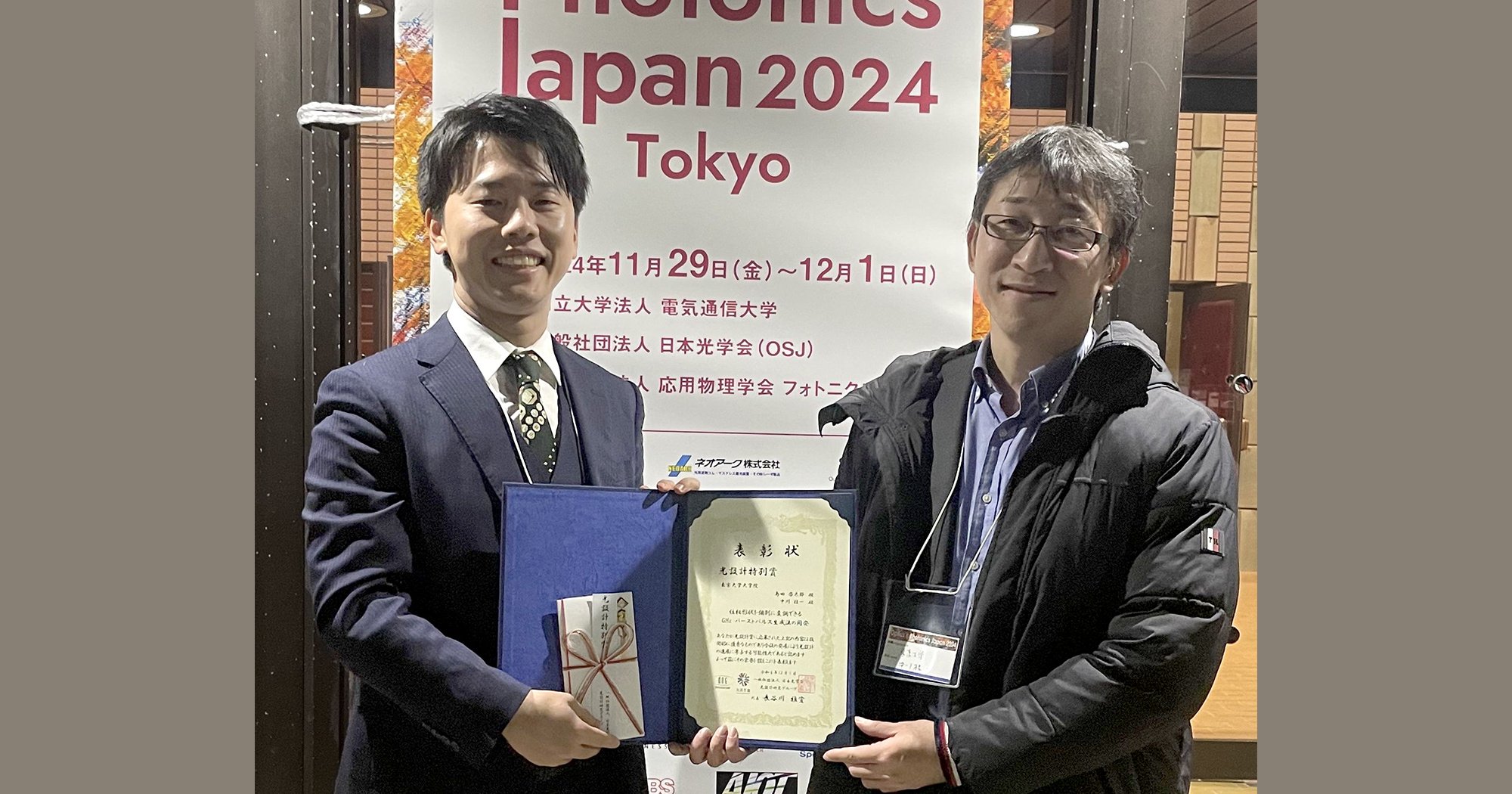
On 4th June 2026, Lecturer Fuminao Kishimoto, Ryo Ishibashi (D3) and Professor Kazuhiro Takanabe, Department of Chemical System Engineering, received JCS-JAPAN Outstanding Paper Award.

JCS-JAPAN Outstanding Paper Award, The Ceramic Society of Japan
The Journal of the Ceramic Society of Japan is an international academic journal that publishes research articles on the science and technology of ceramics. Currently, more than two hundred papers are published annually. Each year, approximately three outstanding papers published in the journal are selected for this prestigious award.
About awarded research
Our research group is developing next-generation chemical reactors driven by microwave energy with the aim of establishing clean chemical manufacturing processes that do not rely on the combustion of fossil fuels. The key challenge is not simply to replace conventional burners with microwave heating, but rather to elucidate novel physicochemical phenomena induced by microwave electromagnetic fields and create unique chemical reaction environments that can only be realized through microwave irradiation.
To advance this research, it is essential to understand at the atomic level the chemical structures of the components and sites that absorb microwave energy within reaction systems, as well as the processes by which the absorbed microwave energy is converted into thermal energy and ultimately into chemical energy.
In the award-winning study, we focused on composite materials consisting of indium oxide and zeolite. We discovered that these materials exhibit exceptionally high microwave absorption under hydrogen atmospheres during microwave irradiation. Detailed analyses revealed that microwave heating partially reduces indium oxide, resulting in the formation of monovalent indium ions (In⁺) within the pores of the zeolite.
Furthermore, through advanced experiments conducted at the large-scale synchrotron radiation facility SPring-8, we demonstrated that these In⁺ ions function as efficient microwave-absorbing "antennas" and behave as atomic-scale localized hot spots. Building on this finding, we subsequently demonstrated highly efficient carbon dioxide reduction to carbon monoxide in a follow-up study.
Your impression & future plan
In recent years, the development of microwave-driven chemical reactors has become increasingly active, particularly in Europe and North America, where numerous startup companies are entering the field. For Japan to remain competitive in this rapidly evolving area, we believe it is essential to systematically elucidate the unique phenomena enabled by microwaves—beyond the mere replacement of heat sources—and to steadily advance application-oriented research built upon a solid scientific foundation.
Our research group will continue to establish fundamental principles governing microwave-driven chemical reaction systems through atomic-level understanding, including the findings presented in this study. By translating these insights into practical technologies, we aim to create innovations that contribute to society.
Takanabe-Obata-Kishimoto Lab.

Takuma Kobayashi (D3), Department of Chemical System Engineering, received Outstanding Presentation Award, The 25th Congress of the Japanese Society for Regenerative Medicine
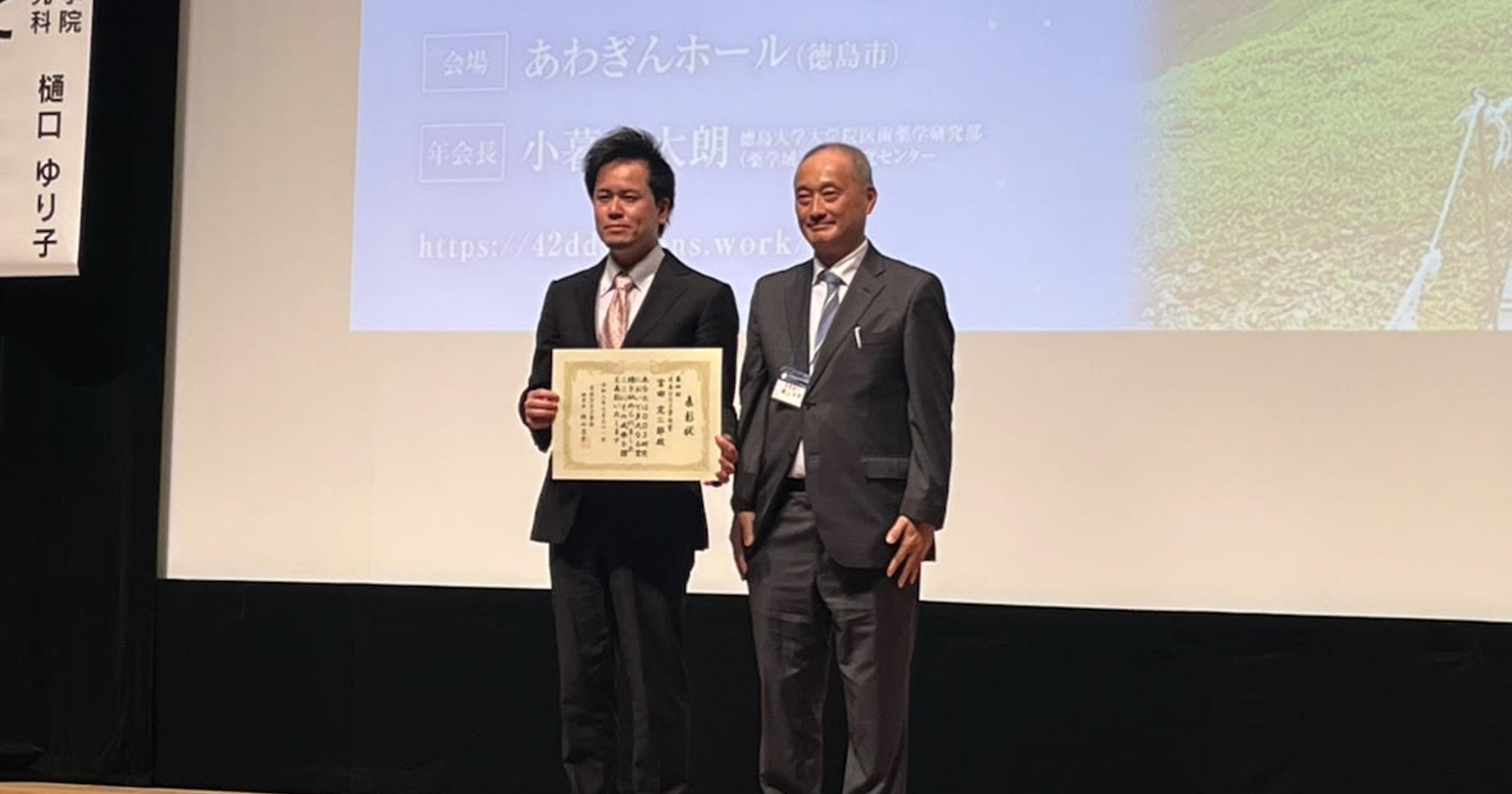
Professor Kanjiro MIYATA received The 4th DDS Society Award