

Researchers have established a new electrolyte design principle that enables ultra-high efficiency in metal secondary batteries by controlling how ions interact with each other. They show that the “hardness” and “softness” of ions in the electrolyte determine how comfortable metal ions are in the electrolyte, thereby influencing how easily electrochemical reactions occur.
Electrolytes in metal batteries contain not only metal ions that store and release energy, but also other positively and negatively charged ions. The comfortability of metal ions depends on the balance between repulsion from positively charged ions and attraction to negatively charged ions. By combining strongly repulsive “hard” cations and weakly attractive “soft” anions, the researchers created an environment in which metal ions become less comfortable in the electrolyte. In this state, they more readily convert into solid metal, allowing deposition to occur with only a small driving force. Using this principle, the researchers achieved a Coulombic efficiency exceeding 99.9% in aqueous zinc-metal rechargeable batteries, representing state-of-the-art performance.
Beyond a specific system, this work shows that electrolyte ions can actively control reaction behavior, rather than simply acting as passive components. The concept provides a general framework for improving electrochemical systems and may be broadly applicable to technologies such as metal batteries, redox flow batteries, fuel cells, and electrolysis.

Ion hardness-softness influences metal-ion stability and battery efficiency
Papers
Journal: Nature Chemistry
Title: Metal electrode potential diverges with ion additions
Authors: Qiu Zhang, Seongjae Ko (co-first), Taisei Sakata, Shin-ichi Nishimura, Norio Takenaka, Atsushi Kitada, Chunsheng Wang*, Atsuo Yamada*
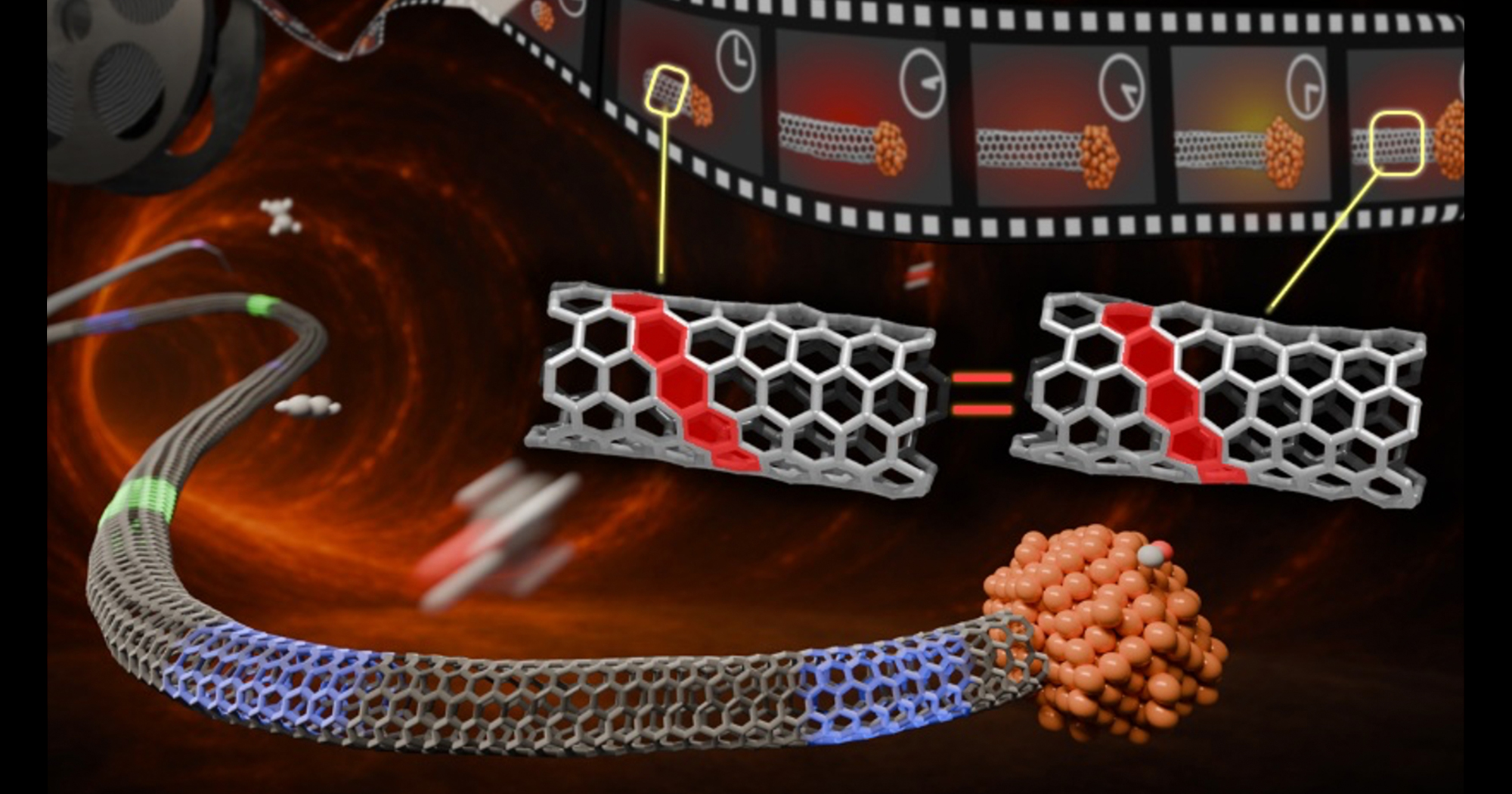
Carbon Nanotubes Remember Their Structure as They Grow: Reading Growth Histories from Isotope Labels in Evolving Environments
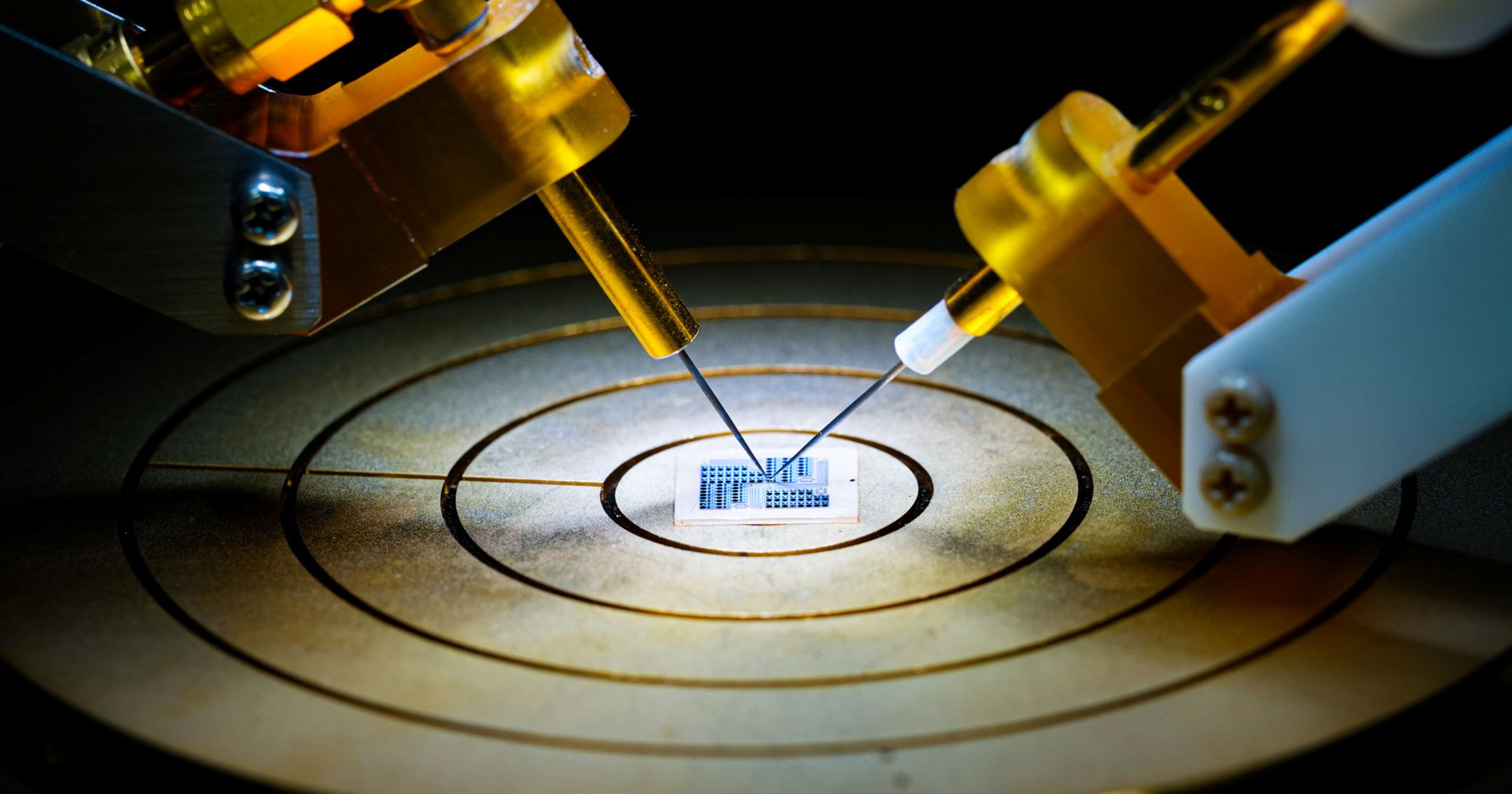
Extremely Low on-Resistance AlN-based Schottky Barrier Diodes Have Been Demonstrated: Contributing Realization of New Power Semiconductor Devices for Carbon Neutral
