The research group led by Prof. Takuo Tanemura and graduate student Go Soma at the University of Tokyo has demonstrated groundbreaking optical metasurfaces that can rapidly control light reflection with unprecedented efficiency. By integrating a metasurface resonator made of nanoscale structures with an organic electro-optic material, the group achieved, for the first time, high-speed and efficient modulation of reflected light by an ultra-low driving voltage of less than 1 V.
Active metasurfaces—engineered surfaces that manipulate incident light at high speed—are gaining significant attention for applications in optical communications, imaging, and computing. Until now, however, practical deployment has been limited by the need for high operating voltages, often tens of volts or more, to achieve sufficient changes in reflectance and transmittance.
The researchers addressed this challenge by introducing a unique metasurface design that exploits broken symmetry of silicon nanostructures to trap incoming light within an ultrathin resonator less than 1 µm thick. This breakthrough enabled efficient operation at low voltage, leading to a major milestone: high-speed data modulation at 1.6 gigabits per second driven by just 1 V.
The demonstrated active metasurface can be directly driven by CMOS circuits and scaled into two-dimensional arrays, paving the way for future technologies such as free-space optical communications, high-speed beam steering, and advanced imaging systems.


Papers
Journal: Nature Nanotechnology
Title: Subvolt high-speed free-space modulator with electro-optic metasurface
Authors: Go Soma*, Koto Ariu, Seidai Karakida, Yusuke Tsubai, and Takuo Tanemura*
DOI: 10.1038/s41565-025-02000-4
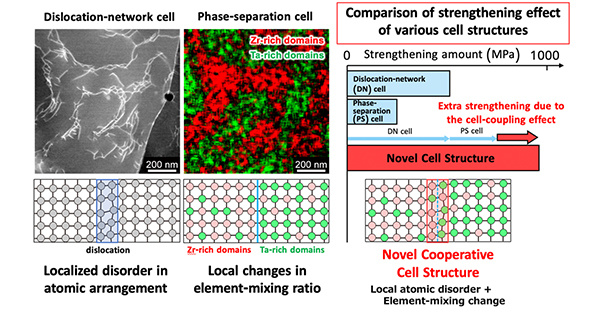
Discovery of a novel cellular structure that enhances the strength of high-entropy alloys: new development in 3D printing materials design
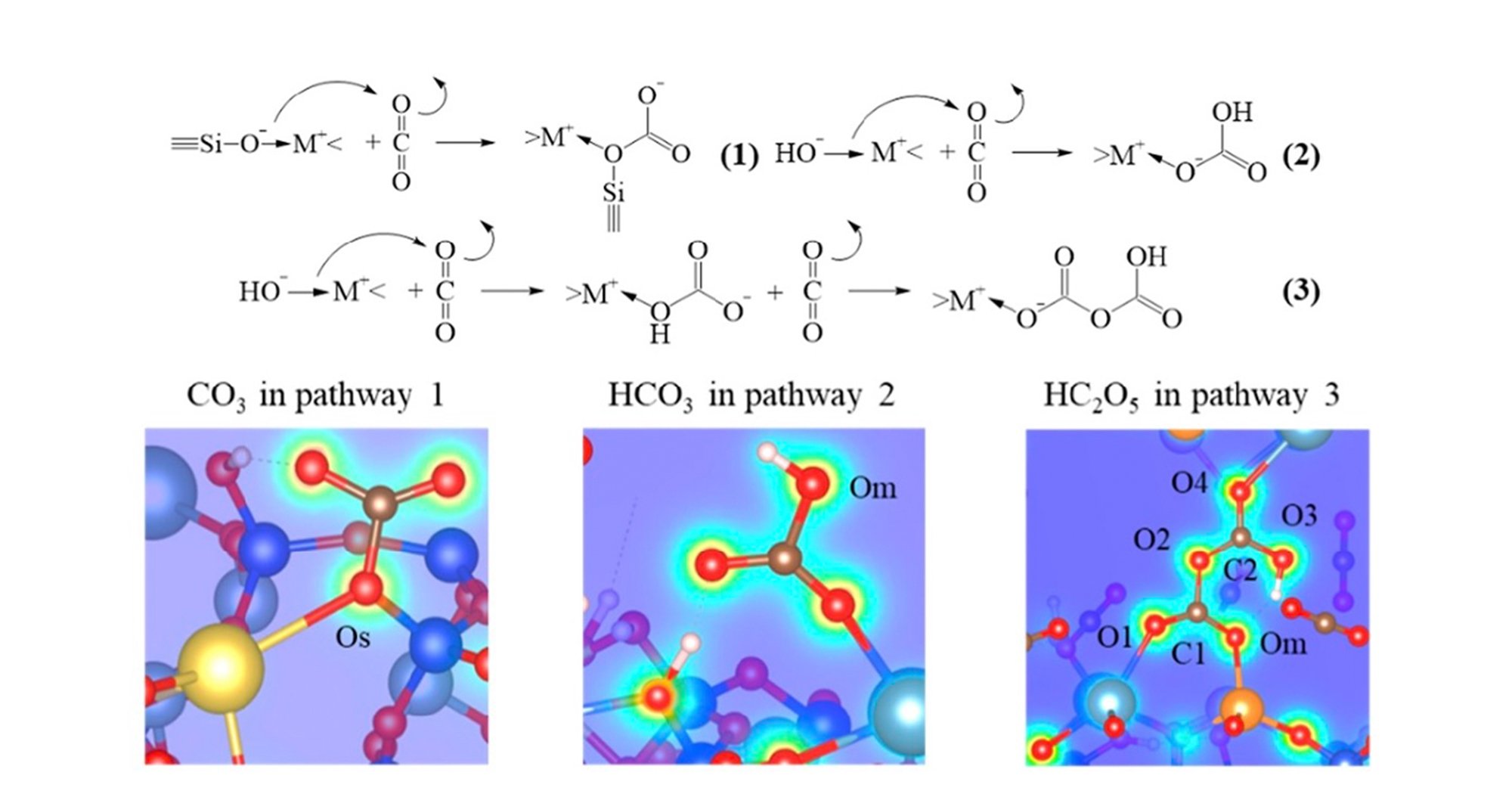
A Newly Discovered Mechanism for Ultrafast CO₂ Mineralization in Igneous Rocks