Simultaneous In Vivo Detection of Multiple Aminopeptidase Activities Using Quantum Sensing Technology: Demonstration of Applications for High-Precision Tumor Classification and Early Evaluation of Anticancer Therapeutic Response
Aminopeptidases that catalyze metabolic reactions within the renin angiotensin system play critical roles in angiogenesis and tumor growth. Accordingly, the development of methodologies to directly evaluate the balance of their enzymatic activities in vivo has remained a significant challenge in disease diagnosis and in the assessment of therapeutic response. Dynamic nuclear polarization (DNP) has emerged as a powerful quantum sensing technology that dramatically enhances the detection sensitivity of nuclear magnetic resonance (NMR/MRI). In particular, hyperpolarized MRI offers the potential for simultaneous in vivo detection of multiple enzymatic activities. However, the range of molecular species and enzymatic reactions that can be analyzed concurrently has been limited. A key unresolved challenge has been the establishment of molecular designs that both sustain sufficiently long hyperpolarization lifetimes and produce completely non-overlapping NMR/MRI signals, that is, fully distinguishable chemical shifts.
In this study, the research team developed a rational molecular design strategy that integrates quantum chemical calculations with experimental validation. This approach enabled the independent optimization of structural moieties responsible for enzymatic reactivity and those governing chemical shift properties. As a result, the team established a set of hyperpolarized MRI molecular probes capable of simultaneously detecting multiple probes and their corresponding enzymatic products following reactions with aminopeptidases. Using these probes, they successfully achieved simultaneous detection of multiple aminopeptidase activities within tumors in a mouse model. Moreover, they demonstrated that enzymatic activity changes induced by treatment with the anti-angiogenic agent sunitinib could be detected prior to measurable alterations in tumor size.
The molecular design principles and multiplexed hyperpolarized MRI technology established in this work provide a foundation for next-generation imaging diagnostics. This strategy is expected to enable highly precise and non-invasive evaluation of pathological conditions based on the simultaneous detection of multiple enzymatic activities in cancer, renal disorders, and other conditions.

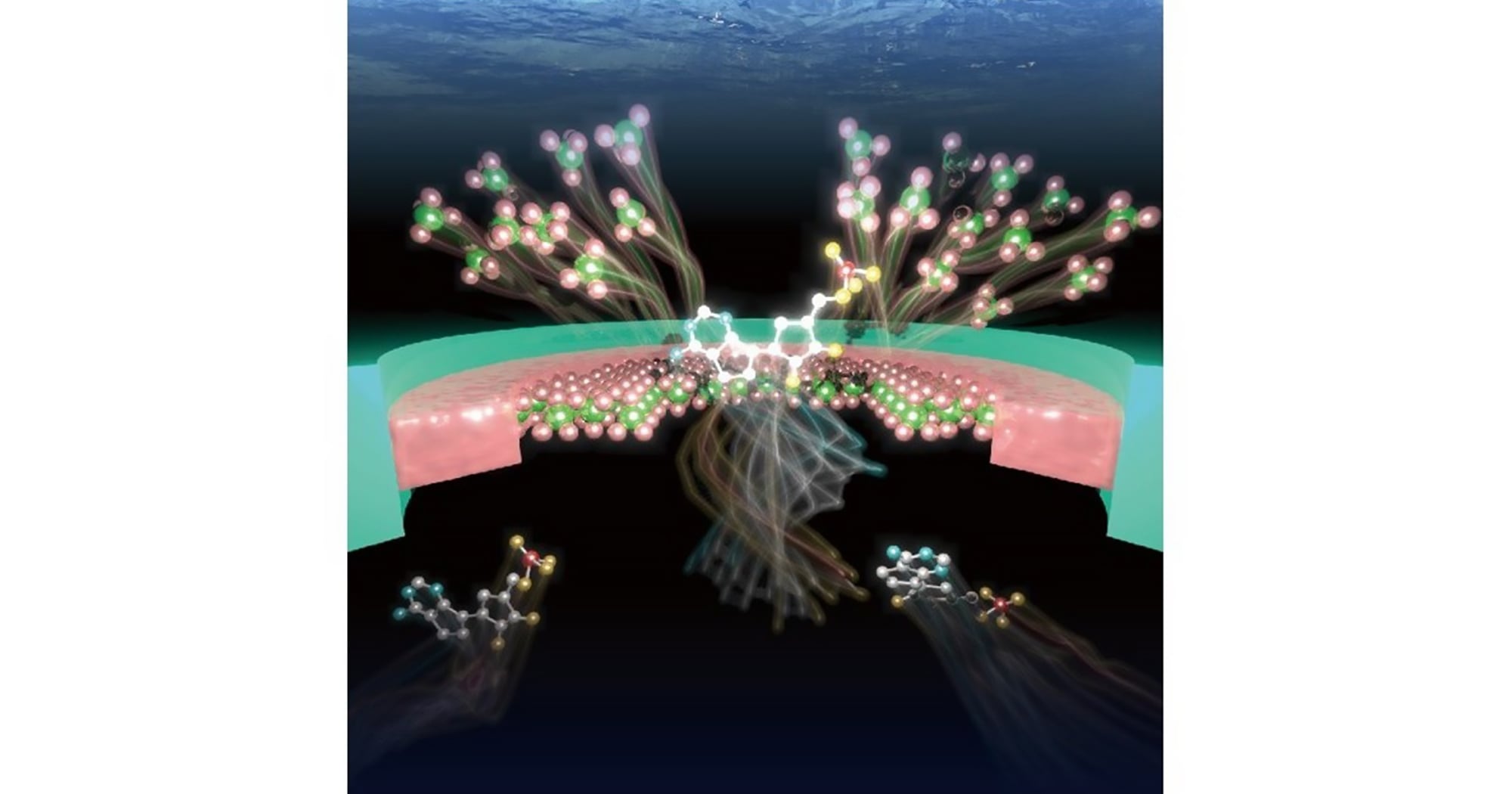
Overview of this study
(Adapted from the Journal of the American Chemical Society 2026,
DOI: 10.1021/jacs.5c16910)
Papers
Journal: Journal of the American Chemical Society
Title: In vivo multiplexed analysis of aminopeptidase activities by hyperpolarized molecular probes for tumor diagnostic applications
Authors: Hiroyuki Yatabe, Keita Saito, Ayumi Koike, Yoichi Takakusagi, Abdelazim E. Elhelaly, Fuminori Hyodo, Masayuki Matsuo, Wataru Mizukami, Maki Sugaya, Tsuyoshi Osawa, Kazutoshi Yamamoto, Murali C. Krishna, Yutaro Saito, Shinsuke Sando*
DOI: 10.1021/jacs.5c16910

Oxidative Stress Rewires Protein Synthesis: Desulfuration of tRNA Modifications Dynamically Regulates Translation
Complete chemical structures of human mitochondrial tRNAs