

Researchers at the University of Tokyo have developed a synthetic hydrogel sealant that effectively prevents bile leakage, a life-threatening complication frequently occurring after liver resection. The material, based on poly(ethylene glycol) (PEG), incorporates a dual-stage crosslinking mechanism termed the Delayed Cross-linked Single Network (DCSN). This system allows for instant gelation to achieve rapid hemostasis, followed by a gradual secondary reaction that forms stable chemical bonds with tissue surfaces, ensuring long-term adhesion. In vivo rat hepatectomy models, the DCSN hydrogel demonstrated complete hemostasis within one minute and bile-sealing performance, surpassing commercial sealants. Histological analyses confirmed good biocompatibility, showing minimal postoperative inflammation and no chronic liver damage. This innovative dual-reactive hydrogel provides a new design principle for surgical sealants, combining rapid sealing and durable adhesion in a fully synthetic, biocompatible material. The approach could be extended to prevent other surgical fluid leakages, including pancreatic and pulmonary leaks, highlighting its strong potential for clinical translation.

Papers
Journal: Advanced Healthcare Materials
Title: Development of a Novel Synthetic Hydrogel Sealant for Effective Prevention of Liver Resection-Associated Bile Leakage
Authors: Kazuyoshi Matsubara†, Shohei Ishikawa†,*, Hiroyuki Kamata*, Almog Gur, Ayano Fujisawa, Shu Nishida, Katsuyuki Hoshina*, Takamasa Sakai*
(†Contributed Equally *Corresponding Author)
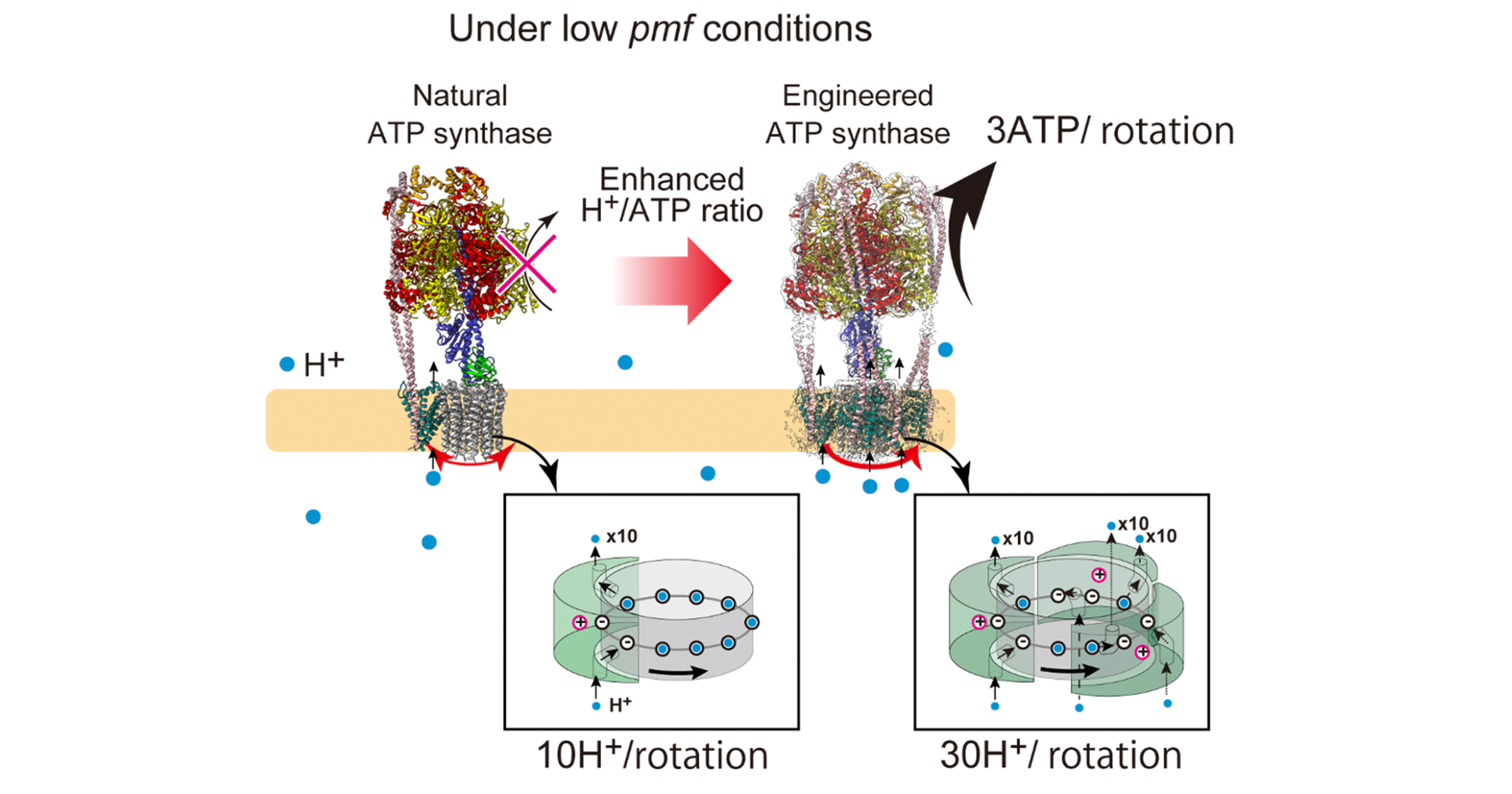
Engineering ATP Synthase with Enhanced Energy Transduction Beyond Natural Limits: Toward Applications in Cellular Engineering and Bio-manufacturing

Shark-Teeth Inspired Biomineral Nanofibers Synthesized under Aquatic Mild Conditions: Eco-Friendly Inorganic Nanofibers with Excellent Dispersibility and Liquid-Crystalline Ordering
