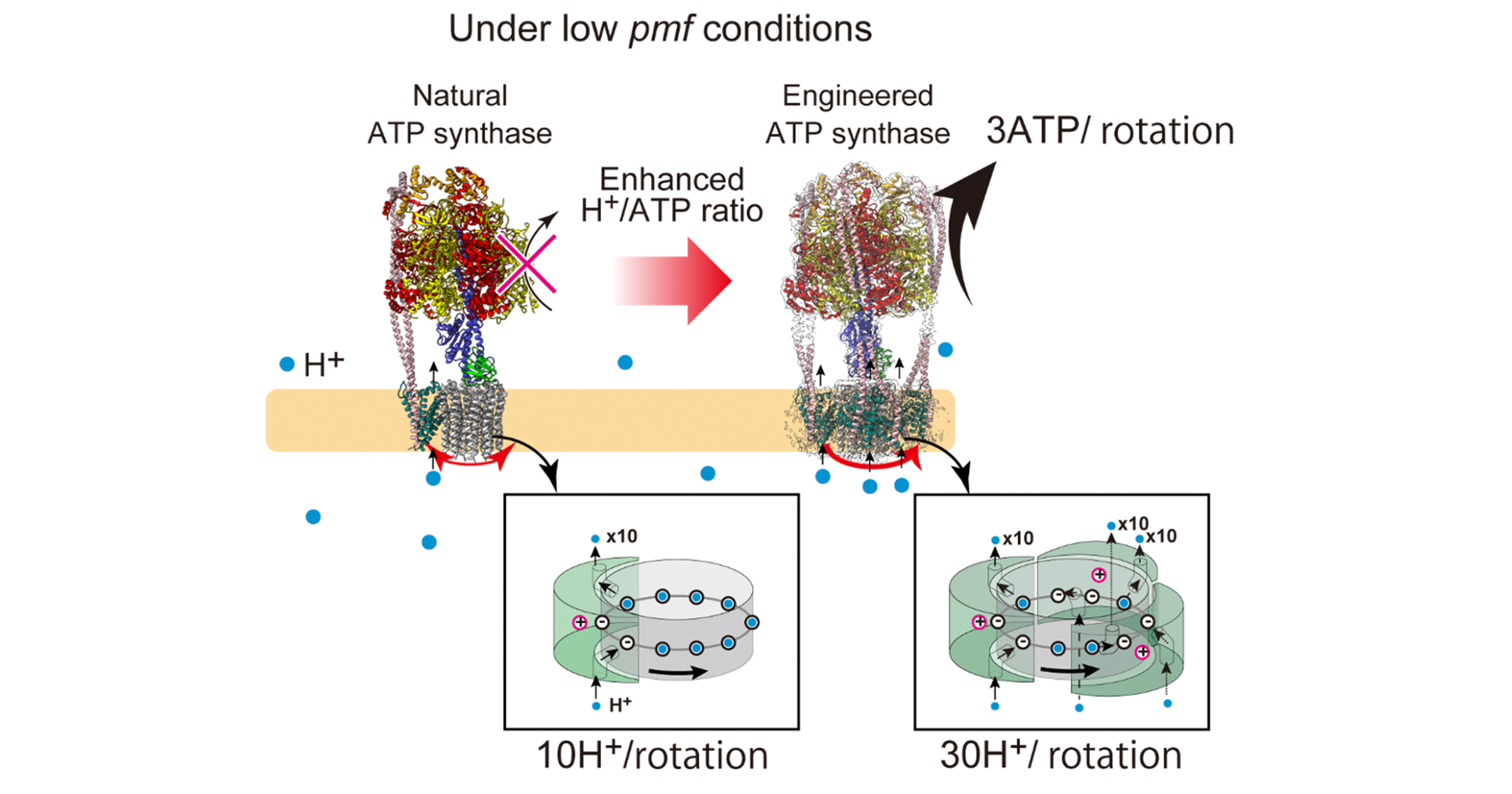
A research team led by Professor Byung-Kwang Yoo (Faculty of Human Sciences, Waseda University) and Project Professor Masaaki Kitajima (Research Center for Water Environment Technology, The University of Tokyo) has demonstrated that wastewater surveillance can serve as a powerful and economical early warning system for COVID-19 outbreaks in long-term care facilities (LTCFs). The study conducted an economic evaluation of a system that integrates wastewater surveillance at treatment plants with clinical testing thresholds to inform timely public health responses. The model simulated the impact of this strategy on a typical LTCF housing 100 residents and 60 staff members, projecting net healthcare benefits ranging from $5,000 to $49,000 over a four-week period of high COVID-19 incidence. When scaled to the national level in Japan, the estimated benefits ranged from $3.5 million to $41 million during the same period. The researchers found that wastewater surveillance—which does not require individual sample collection and may enable earlier detection—offers broader population coverage and lower costs than traditional clinical surveillance methods. The findings underscore the potential of this approach as a scalable, cost-effective solution for protecting vulnerable populations and strengthening pandemic preparedness.

Papers
Journal: Science of the Total Environment
Title: Economic evaluation of the city-level warning system based on surveillance at wastewater treatment plants to recommend optimal clinical COVID-19 screening tests at long-term care facilities, Japan
Authors: Byung-Kwang Yoo, Ryo Iwamoto, Ungil Chung, Tomoko Sasaki, Peter G. Szilagyi, Masaaki Kitajima
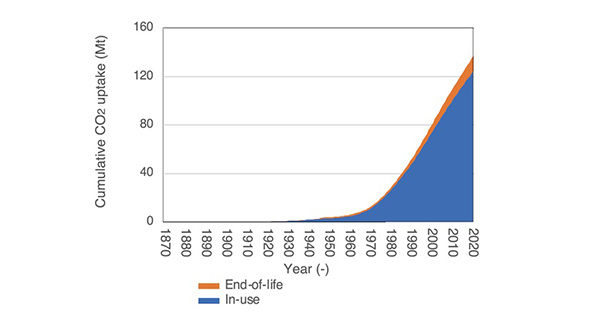
Unveiling the Amount of CO2 Fixed in Japanese Concrete Structures: Contributing to Carbon Neutrality in the Concrete Sector
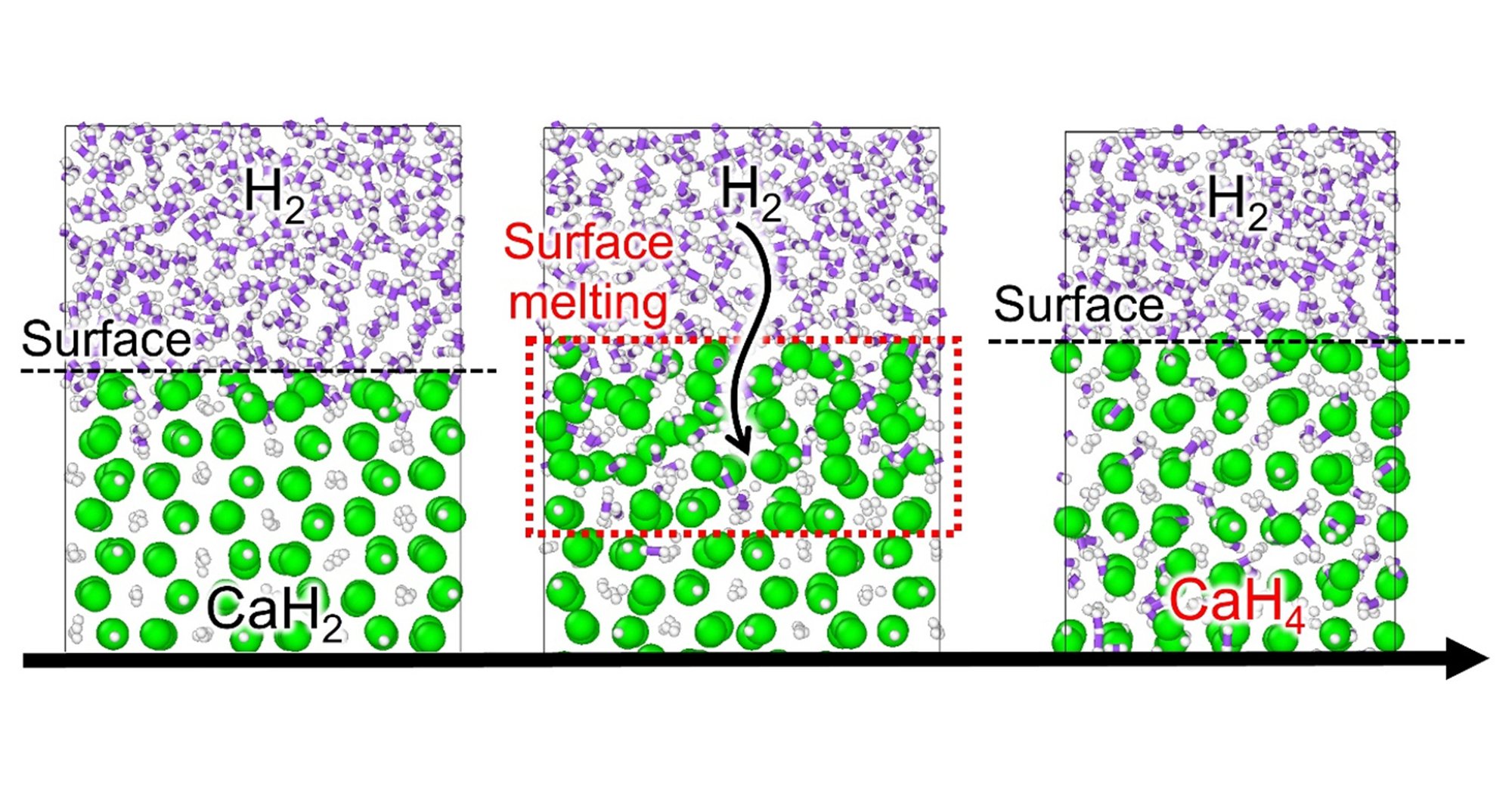
Machine Learning Reveals New Hydrogenation Reaction Mechanism: A Opportunity to Explore Ultra-High Density Hydrogen Storage Materials