Calcium, as a resource, is often stored in stable forms bound to CO2, such as in limestone. Despite its critical role in industrial processes and CO2 emissions, its circularity potential has not been systematically examined. In particular, the linkage between laboratory-scale recovery technologies and society-wide material flow dynamics has not been sufficiently explored.
A research team has quantified calcium flows and stocks in Japan for 2020, covering the entire lifecycle from raw material extraction and production/consumption of calcium-containing materials to accumulation in urban structures, as well as waste generation and recycling. The study revealed that Japan contains approximately 4.6 billion tonnes of calcium in limestone and dolomite reserves, and about 5.5 billion tonnes accumulated in urban structures. Annual calcium input was estimated at 60.9 million tonnes, of which 77% was used in construction. By visualizing calcium dynamics, the study identified previously unquantified CO2-related calcium flows and provides a quantitative foundation for circular economy and decarbonization strategies. Hybrid recycling approaches that integrate cross-sectoral and multi-stage resource recovery may significantly contribute to CO2 reduction and sustainable resource management.
This research was conducted collaboratively by Assistant Professor Naho Yamashita, Professor Ippei Maruyama, Professor Shinsuke Murakami, and Mr. Kenji Nabeshima of the Graduate School of Engineering, The University of Tokyo, together with Dr. Yuya Yoda and Dr. Keiichi Yano of Shimizu Corporation.

Simplified conceptual diagram of calcium flows and stocks identified in this study
Papers
Journal: Resources, Conservation & Recycling Advances
Title: CO2 reduction pathways of the construction sector through calcium stock-flow dynamics
Authors: Naho Yamashita, Shinsuke Murakami, Keiichi Yano, Yuya Yoda, Kenji Nabeshima, Ippei Maruyama
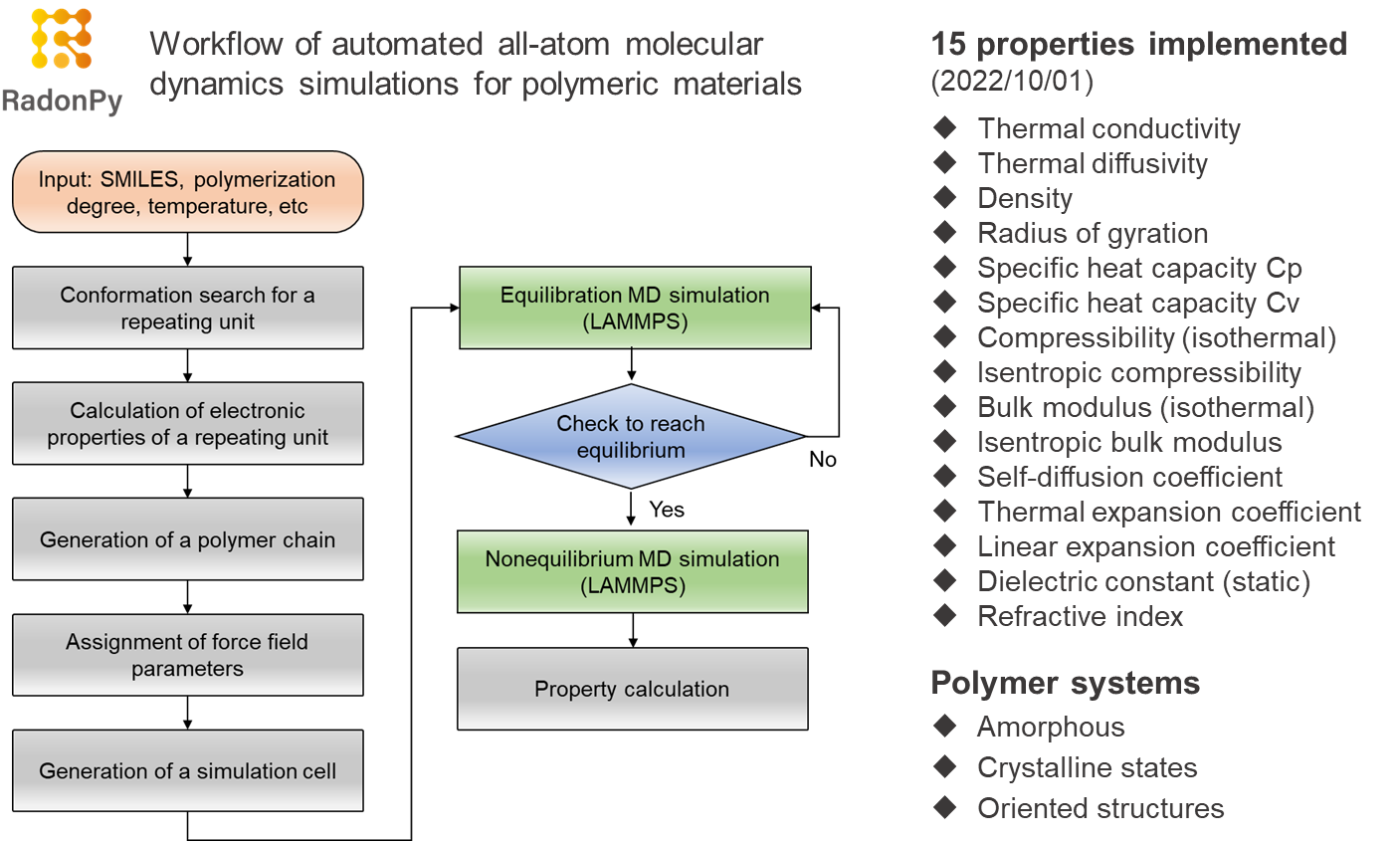
RadonPy: automated physical property calculation using all-atom classical molecular dynamics simulations for polymer informatics
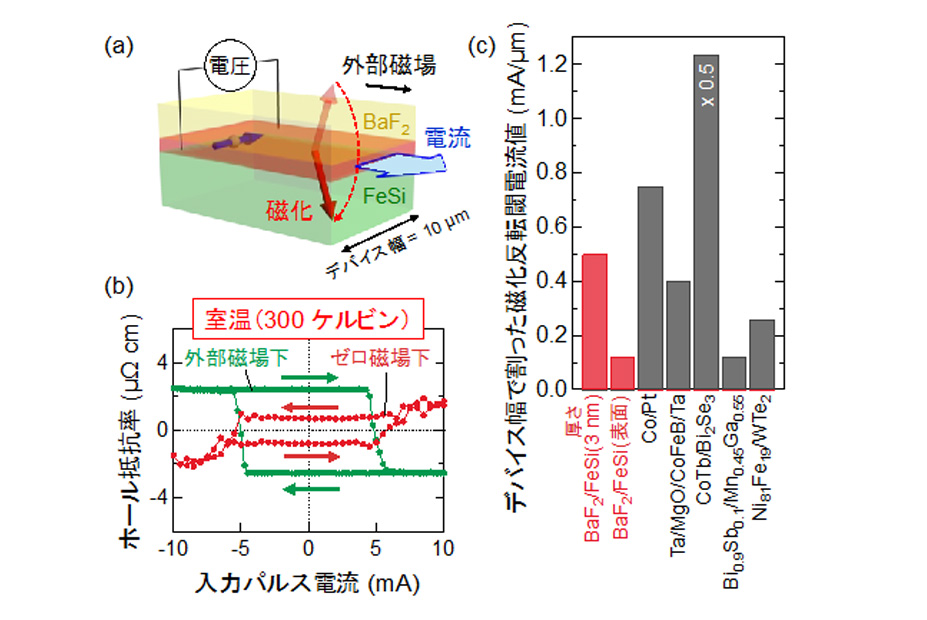
Noble-Metal Free Spintronic System with Proximity-Enhanced Ferromagnetic Topological Surface State of FeSi Above Room Temperature